
A new WooCommerce store
Catalogue and category structure, key buying journeys, cart and customer account, payment and delivery configuration, sales measurement and order-management training.
Catalogue · Checkout · Integrations
Launch a new store or improve the WooCommerce site you already use. We bring product presentation, mobile shopping and the daily work behind orders into one agreed plan.
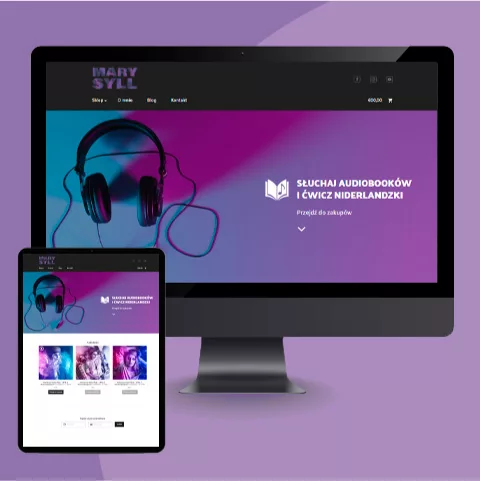
WordPress / WooCommerce
Dutch-language learning materials. Archived view.
Scroll this archived view with a mouse, touch or arrow keys.
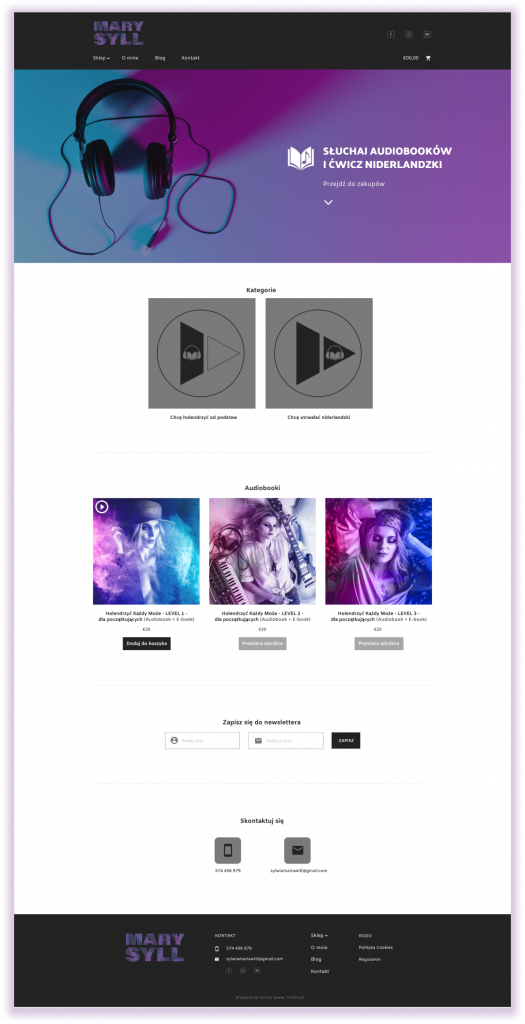
Scope of our WooCommerce offer
The starting point
Before choosing functions, we look at your products, buyers, payment and delivery methods, and the way orders are processed. That gives the store a practical starting point and helps identify which integrations need a separate technical review.
Catalogue and category structure, key buying journeys, cart and customer account, payment and delivery configuration, sales measurement and order-management training.
A technical review followed by priorities: mobile layouts, search and filters, new selling functions, integrations, repetitive tasks or a planned cycle of development.
The agreed work
Products, variants and categories, with search, filters and product information suited to the actual range.
The cart, order flow, customer accounts and selected payment and delivery providers, checked against relevant purchase scenarios.
Connections to stock, accounting, ERP or other tools after reviewing APIs, data flows and responsibility for errors.
Data imports where agreed, a trial migration, checks of orders and messages, and preparation for your team’s daily work.
Core store functions, data migration, advanced selling features and system integrations are itemised separately. The proposal also records licences, account ownership and renewal costs. Ongoing support has its own scope.
From conversation to delivery
We review the catalogue, sales markets, payments, deliveries, existing systems and data that must be retained.
We prepare the buying journey, configure the store and develop the integrations and imports included in the scope.
We check variants, cart, delivery, test payments, order statuses and messages before the agreed launch and handover.
Work and context
Explore two WooCommerce projects that connect the story behind the products with a route to purchase.
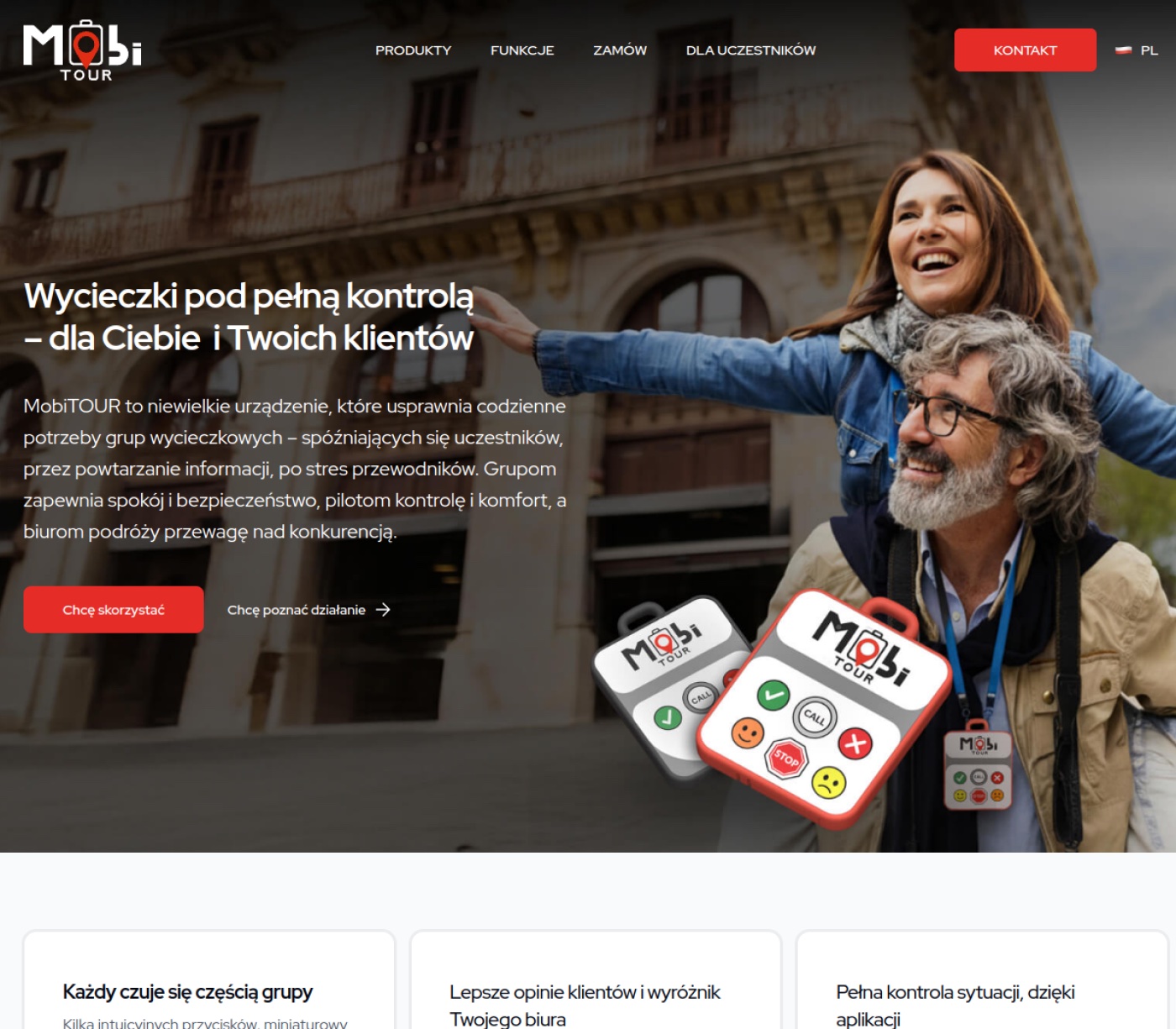
Travel technology · E-commerce
Our 2025 implementation combined a product website with a WooCommerce store, device variants, accessories and delivery rules. The screenshot shows the later public site as brand context.
Explore the project
Culture · Clothing collection
A brand website and WooCommerce store connecting the initiative, creators and editorial material with clothing sales. The gallery shows an archived version.
Explore the projectBefore we begin
Still have a question? Tell us about your situation.
Ask our teamWe assess the current platform, integrations and a sample of the data before confirming feasibility. Products, customers, orders, content and URLs need their own migration plan, trial import and checks. We confirm the data that can be retained before committing to the scope.
Each integration must be named in the proposal. We define the data, direction of synchronisation and responsibility for errors. Development or configuration costs are separate from fees charged by an external provider.
Yes, after checking the dependencies. The first release must contain the functions needed to fulfil an order. Other features can form a planned development list and be prioritised using information from real sales.
Separate the initial build from hosting, domain renewal, paid licences, external services and any support agreement. The proposal identifies the account owners and renewal responsibilities so the store’s running costs are visible.
Your next project
Share your current store, the product range and the systems your team uses. We will discuss the buying journey, integrations and the right scope for the next stage.
Discuss your storeWith your consent, Testin will use Google Analytics 4 and analytics cookies to measure visits, brief downloads and contact activity. We do not start Google Analytics without your consent. Declining does not restrict access to the website or contact form.
Google receives information about pages visited, your device and interactions, and an identifier stored in cookies. Connecting to Google also reveals your IP address; according to the GA4 documentation, IP addresses of EU users are not stored. We do not send names, email addresses, phone numbers, form content or URL parameters to GA4. We do not enable ad personalisation or Google Signals.
The tool is provided by Google. Data may also be processed outside the European Economic Area. How Google processes data.
Your choice stored in browser storage and the necessary consent cookie, as well as analytics cookies, is set to expire after up to 180 days. You can change or withdraw consent at any time using the “Analytics and cookie settings” button at the bottom of the page. Withdrawal stops further measurement and removes accessible GA cookies for this website; it does not delete data already sent. For questions about your data: [email protected].
Current setting: analytics disabled.